
Discover the top science-backed anti-inflammatory foods that help reduce chronic inflammation, boost energy, and protect long-term health.
Inflammation is a natural and protective response designed to help the body defend itself against injuries, infections, and external threats. However, when this response becomes prolonged, it turns into a silent process that can deeply affect long-term health. Over the last decades, scientific research has connected low-grade chronic inflammation to conditions such as type 2 diabetes, cardiovascular disease, insulin resistance, obesity, persistent muscle pain, and even autoimmune disorders.
This is why anti-inflammatory foods have gained so much attention in the world of nutrition. Unlike extreme diets or quick fixes, an anti-inflammatory eating pattern relies on real, nutrient-dense foods rich in naturally protective compounds that help regulate the body’s inflammatory response. What stands out most is the growing scientific consensus showing that dietary patterns—not isolated “superfoods”—have the greatest impact on inflammation control.
Below, we explore the science behind these foods, the evidence supporting their benefits, and practical strategies to incorporate them into daily life.
Table of Contents
What Is Chronic Inflammation and Why Is It Harmful?
Acute inflammation is a short-term immune mechanism used to repair tissues and fight pathogens. You can observe this reaction when a wound becomes red or swollen. The issue arises when stressors—such as highly processed diets, sedentary lifestyle, chronic stress, and imbalances in the gut microbiota—keep this response activated for weeks, months, or even years.
According to research by immunologist Charles Dinarello, chronic inflammation disrupts the balance of pro-inflammatory cytokines, pushing the body into a state that promotes hypertension, high cholesterol levels, and metabolic dysfunction.
In simple terms: chronic inflammation doesn’t hurt, but it wears the body down over time.
How Anti-Inflammatory Foods Help Fight This Process
Scientific evidence shows that certain foods contain antioxidants, polyphenols, vitamins, minerals, and healthy fats that reduce oxidative stress, modulate inflammatory pathways, and lower biomarkers like C-reactive protein (CRP).
Researchers at Harvard University (paraphrased) found that diets rich in fruits, vegetables, olive oil, and fatty fish are strongly associated with lower levels of systemic inflammation. This supports why the Mediterranean diet—based on these foods—is considered one of the most protective eating patterns for metabolic and cardiovascular health.
Top Anti-Inflammatory Foods and Why They Work
Dark Leafy Greens: The Foundation of a Protective Diet
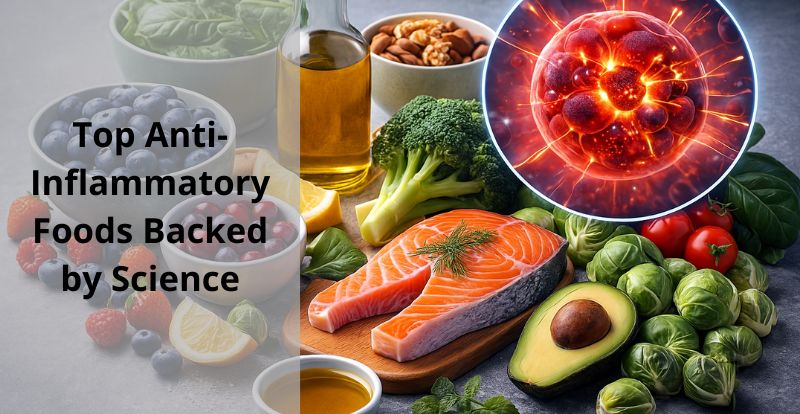
Dark green vegetables are packed with vitamin K, vitamin C, folate, and antioxidants. Spinach, Swiss chard, arugula, kale, Brussels sprouts, and broccoli offer phytonutrients that neutralize free radicals and support cellular health.
Nutrition expert Susan Mitchell (paraphrased) highlights that even two servings of leafy greens per day can significantly improve inflammatory markers thanks to their antioxidant density.
Practical tip:
Add a handful of leafy greens to your main meals—salads, sautés, or smoothies.
Blueberries and Berries: Tiny but Powerful Antioxidant Sources
All berries are beneficial, but blueberries stand out for their high concentration of polyphenols and anthocyanins. These compounds help neutralize free radicals and reduce post-exercise inflammation.
Researchers at North Carolina State University (paraphrased) found that regular blueberry consumption can reduce inflammation even within 24 hours after physical activity.
Practical tip:
Half a cup daily provides antioxidants, fiber, and very few calories.
Fatty Fish: The Most Potent Source of Omega-3s
Salmon, mackerel, sardines, and herring supply long-chain omega-3 fatty acids (EPA and DHA), essential for producing anti-inflammatory molecules.
Omega-3s help lower blood pressure, reduce blood clotting, and prevent plaque buildup in arteries. They also regulate inflammatory markers.
Cardiologist Dariush Mozaffarian’s findings (paraphrased) consistently show that frequent omega-3 intake reduces cardiovascular mortality and systemic inflammation.
Practical tip:
Eat fatty fish 2–3 times a week. Keep the skin—it contains valuable fatty acids.
Extra Virgin Olive Oil: The Anti-Inflammatory “Liquid Gold”
Extra virgin olive oil is rich in natural polyphenols, especially oleocanthal, a compound shown to have anti-inflammatory effects comparable to ibuprofen (according to Gary Beauchamp, paraphrased).
Unlike oils high in omega-6, olive oil provides monounsaturated fats that support a healthier omega-3/omega-6 balance.
Practical tip:
Use it as your main cooking and dressing oil.
Green Tea: A Scientifically Proven Anti-Inflammatory Beverage
Green tea contains catechins—especially EGCG—which protect cells from oxidative stress and improve insulin sensitivity.
Japanese researchers have found that green tea consumption reduces inflammatory markers like CRP and enhances cognitive function through its natural combination of L-theanine and caffeine.
Practical tip:
Drink 1–2 cups daily to obtain full benefits.
Tart Cherry Juice: A Natural Aid for Inflammatory Pain
Tart cherry juice has been studied in athletes and individuals with arthritis for its ability to reduce inflammation and accelerate muscle recovery. Its anthocyanins make it a powerful option for managing inflammation-related pain.
Practical tip:
Choose 100% natural varieties with no added sugars.
It may interest you: Natural Drinks to Control High Blood Pressure and Protect Your Heart
Video: Anti-inflammatory diet for chronic inflammation, chronic pain, and arthritis.
How to Build an Anti-Inflammatory Eating Plan
1. Increase Plant Variety
Aim for at least five servings of fruits and vegetables daily.
2. Prioritize Healthy Fats
Focus on olive oil, nuts, seeds, and omega-3-rich fish.
3. Reduce Ultra-Processed Foods
Products high in trans fats, sugars, and additives raise inflammation.
4. Add Herbs and Spices
Turmeric, cinnamon, thyme, rosemary, and cumin are natural anti-inflammatory allies.
5. Choose Healthier Cooking Methods
Avoid frequent frying; choose baking, steaming, sautéing, or grilling.
Frequently Asked Questions
How long does it take to see results?
Positive changes may appear within a few weeks when combined with physical activity and proper hydration.
Can one single food stop inflammation?
No. What matters is the overall pattern—variety of plants, omega-3s, and antioxidants working together.
Do omega-3 supplements replace fish?
They can complement but not fully replace the nutritional profile of fresh fish.
Do red meats cause inflammation?
Excessive consumption—especially processed meats—can increase inflammation due to saturated fats and additives.
Conclusion
Chronic inflammation is silent but dangerous. Scientific evidence shows that a diet rich in fruits, vegetables, fatty fish, extra virgin olive oil, and antioxidant-rich whole foods can significantly lower inflammatory markers. Rather than strict diets, the key is adopting a balanced lifestyle built on real, nutrient-dense foods.
If your goal is to improve your overall health, reduce the risk of metabolic diseases, or simply feel more energetic, anti-inflammatory foods offer an accessible, powerful, science-backed solution.