
From the moment we are born, human bonds begin to shape who we are—how we love, trust, and interpret the world around us. Through relationships, we learn to communicate, feel secure, and build our identity. Yet, when these connections are marked by rejection, conflict, or abandonment, they can also become deep sources of pain.
The way we relate to others affects not only our relationships but also our emotional stability and mental health. Healing damaged connections requires introspection, vulnerability, and the willingness to rebuild trust. In this process, relational therapy becomes a transformative tool that helps us understand the roots of our emotional wounds and convert them into opportunities for growth.
As psychologist Clara Simal, trauma specialist and EMDR therapist, states: “Everything is created through connection, and everything is healed through connection.”
It may interest you: Dopamine and Mental Balance: How to Regulate Pleasure to Restore Motivation and Well-Being
Video: Secrets of a Couples Counselor: 3 Steps to Happier Relationships | Susan L. Adler | TEDxOakParkWomen
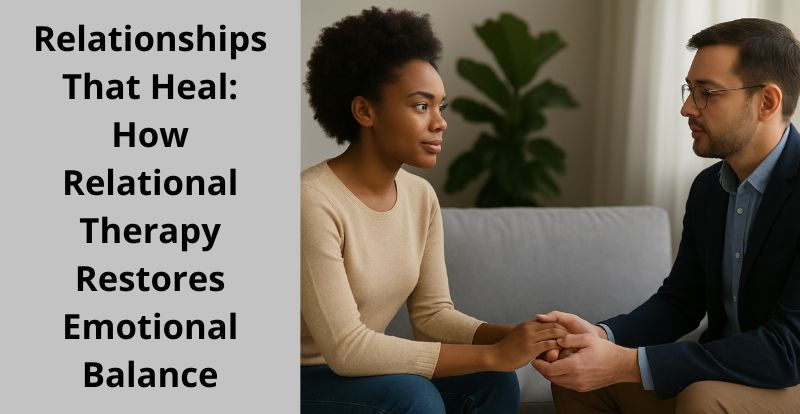
Human Bonds: The Foundation of Emotional Identity
Human beings are social by nature. Our connections not only fulfill emotional needs but also regulate our mental and physical balance. When we grow up in environments filled with affection and security, we develop confidence in ourselves and others. But when our early experiences involve insecurity, neglect, or inconsistency, we learn to protect ourselves in ways that later prevent true connection.
These early experiences give rise to what psychologists call attachment styles, which influence how we relate as adults. Yet beyond labels like “anxious attachment” or “avoidant attachment,” every story is unique. As Ana Millán, Director of the School of Psychology and President of the Spanish Association of Psychotherapy, reminds us, “We must not trap our relationships in rigid diagnoses; relational patterns are dynamic and can evolve through awareness and therapeutic work.”
When Connection Becomes a Source of Pain
Relational wounds are among the deepest forms of suffering. They occur when those who were meant to protect and care for us caused harm, invalidated our feelings, or were emotionally unavailable. These experiences can generate what experts call relational trauma, which often manifests in adulthood as:
- Fear of intimacy or commitment.
- Difficulty trusting others or expressing emotions.
- Emotional dependence or excessive need for approval.
- Struggles to set healthy boundaries.
- Feeling disconnected even when surrounded by people.
Although these patterns can feel hardwired, they are not permanent. Recognizing their origins is the first step toward healing. Relational therapy helps identify these unconscious dynamics and transform the way we connect—with others and with ourselves.
Relational Therapy: A Safe Space to Rebuild Trust
Relational therapy is not merely about talking through the past—it’s about experiencing new forms of safe connection within the therapeutic process. The relationship between therapist and client becomes a living example of healthy attachment, allowing individuals to feel seen and accepted without fear of judgment.
Here are some key ways this therapeutic approach can help:
- Creating a Safe Connection
The therapeutic relationship provides a secure base where the client can explore emotions freely. Experiencing this safety helps rewire the brain to expect trust and empathy rather than rejection. - Understanding Relational Patterns
Therapy encourages self-reflection, helping you uncover behavioral and emotional patterns formed during early life—and how they affect current relationships. - Healing Emotional Wounds
Through emotional processing and guided awareness, past experiences can be reinterpreted. Healing does not mean forgetting but integrating the pain so it no longer defines who you are. - Learning to Set Boundaries
Therapy helps develop assertiveness and emotional clarity, enabling you to express needs and limits without guilt. - Building Authentic Relationships
With growing self-awareness comes the ability to choose relationships that nourish your well-being and align with your values.
Dependence and Interdependence: Finding Emotional Balance
One of the core lessons in emotional healing is understanding the difference between dependence and interdependence. In an individualistic world that idealizes independence, we often mistake emotional connection for weakness. True interdependence means recognizing our need for others without losing our identity.
Healthy relationships are built on freedom and authenticity. They allow both people to grow together while maintaining their individuality. When trust and respect guide a connection, it ceases to be a cage and becomes a source of expansion.
How to Recognize Healthy Bonds
Certain features define emotionally balanced relationships:
- Emotional safety: You can be yourself without fear of criticism.
- Honest communication: Feelings are expressed openly and respectfully.
- Mutual respect: Differences are accepted, and autonomy is valued.
- Reciprocal support: Both people are present in good and difficult times.
- Authenticity: There’s no need to hide or pretend to be someone else.
These qualities are not perfection—they are the result of emotional awareness and intentional connection.
The Role of Therapy in Healing Human Bonds
Modern psychology emphasizes that the therapeutic alliance—the quality of the bond between client and therapist—is one of the strongest predictors of positive change. According to Podolan & Gelo (2024), the feeling of safety within therapy is the most critical factor in promoting psychological transformation.
Similarly, Ferrarini-Lee (2024) found that therapy becomes far more effective when the therapist prioritizes emotional attunement and mutual trust. In other words, the relationship itself is the vehicle of healing.
Keys to Building Healthy Relationships in Everyday Life
Outside of therapy, there are practical ways to nurture healthier, more fulfilling connections:
- Practice self-awareness: Reflect on your emotional needs and patterns.
- Communicate with vulnerability: Speak honestly from the heart.
- Set clear boundaries: Respecting yourself allows others to respect you.
- Cultivate empathy: Listening without judgment strengthens connection.
- Seek professional support: Asking for help is a sign of emotional strength, not weakness.
Conclusion: Healing to Reconnect
Healing our connections is a transformative act of courage. It allows us to release inherited patterns and build relationships grounded in authenticity, trust, and compassion. Human connection carries a profound therapeutic power—it is through others that we rediscover ourselves.
Relational therapy reminds us that we are not condemned to repeat old wounds. Each bond offers the possibility of growth and renewal. In a world that often pushes us toward emotional isolation, choosing to reconnect—with others and with ourselves—is a radical act of healing and hope.
References
- Podolan, M., & Gelo, O. C. G. (2024). The Role of Safety in Change-Promoting Therapeutic Relationships: An Integrative Relational Approach. Clinical Neuropsychiatry.
- Ferrarini-Lee, M. E. (2024). Defining the Therapeutic Alliance as a Means for Greater Therapeutic Effectiveness: A Critical Analysis of the Literature.