
Learn how to set healthy boundaries in relationships to protect your mental health. Discover types of boundaries, signs of unhealthy patterns, and practical tips for better communication and emotional balance.
Table of Contents
Understanding Why Boundaries Matter
In any kind of relationship—romantic, family, friendship, or work—boundaries are the invisible lines that define where your emotional space begins and ends. They protect your mental health, preserve your sense of self, and allow you to connect with others without losing balance.
Many people think of “boundaries” as walls that separate, but in reality, they are bridges of mutual respect. Setting them does not mean rejecting others—it means creating a safe environment where both sides can feel comfortable and valued.
Research published in the Journal of Counseling Psychology (2022) found that individuals who regularly practice boundary-setting report lower stress levels, higher relationship satisfaction, and greater self-esteem. Boundaries allow people to maintain emotional autonomy while still being empathetic and connected.
What Are Boundaries in Relationships?
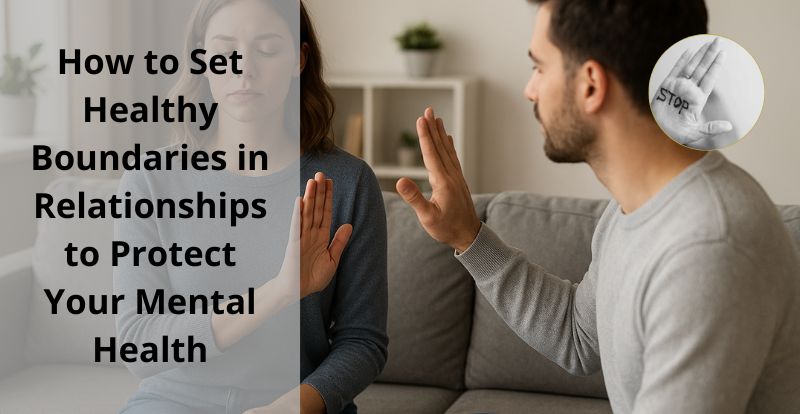
Boundaries are personal rules that guide how we allow others to treat us and how we respond to their needs. They are essential for emotional safety, just like doors and locks protect our homes.
Healthy boundaries help you:
- Build trust and respect in relationships
- Prevent emotional exhaustion and resentment
- Protect your time, space, and energy
- Clarify responsibilities and expectations
- Increase your confidence and independence
Without boundaries, relationships can easily become one-sided or draining. You might find yourself saying “yes” when you want to say “no,” feeling responsible for others’ emotions, or constantly sacrificing your own needs. Over time, this can lead to stress, burnout, or anxiety.
Types of Healthy Boundaries
Not all boundaries are the same. Depending on the type of relationship, some may need to be stronger or more flexible. Here are the most common categories:
1. Physical Boundaries
These relate to your personal space and physical comfort. For example:
- Preferring a handshake over a hug
- Asking someone not to go through your personal belongings
- Requesting privacy when you’re resting or working
Physical boundaries are especially important in intimate relationships, where comfort levels and consent must always be respected.
2. Emotional Boundaries
Emotional boundaries define how much of your inner world you share with others and how much of theirs you allow to affect you.
Example: “I’m not ready to talk about this topic right now.”
These boundaries prevent emotional overload and help you avoid absorbing others’ stress or negativity.
3. Financial Boundaries
Money can easily strain relationships. Setting financial boundaries means being clear about lending, spending, or sharing resources.
Example: “I can’t lend you money right now,” or “Let’s discuss our budget together before making big purchases.”
4. Time Boundaries
Your time is one of your most valuable resources. Protect it by deciding when you’re available and when you need personal time.
Example: “I’m free to talk after work,” or “I need weekends for rest.”
A study from Frontiers in Psychology (2023) noted that poor time boundaries between personal and professional life are linked to emotional exhaustion and lower life satisfaction.
5. Mental and Intellectual Boundaries
These involve respecting each other’s opinions and ideas.
Example: “I respect your viewpoint, even though I see it differently.”
Healthy intellectual boundaries promote open-mindedness without forcing agreement.
Signs of Unhealthy Boundaries
Recognizing poor boundaries is the first step toward improving them. Unhealthy boundaries can appear as:
- Feeling guilty for saying no
- Oversharing personal information
- Taking responsibility for other people’s emotions
- Letting others decide for you
- Avoiding conflict at all costs
- Feeling drained after social interactions
Sometimes, people who grew up in families without clear boundaries may find it hard to set them as adults. They may feel selfish for prioritizing themselves or fear rejection if they say “no.”
However, as therapist and researcher Dr. Brené Brown emphasizes, clear boundaries are an act of kindness, not rejection. They allow others to know what to expect and how to connect with you respectfully.
How to Start Setting Healthy Boundaries
Creating and maintaining boundaries is a skill—one that requires awareness, communication, and consistency. Here’s how you can begin:
1. Know What You Need
Take time to reflect on your emotions and needs. Ask yourself:
- What situations make me feel uncomfortable or disrespected?
- When do I feel emotionally drained?
- What values matter most to me?
Knowing your limits helps you define where to draw the line. Self-awareness is the foundation of healthy boundaries.
2. Communicate Clearly and Kindly
Use “I” statements instead of blaming language. For instance:
- Instead of “You never listen to me,” say “I feel unheard when I’m interrupted.”
- Instead of “You’re too demanding,” say “I need time to recharge before helping.”
According to a 2021 study from the American Psychological Association, assertive communication—expressing needs honestly without aggression—leads to more stable and satisfying relationships.
3. Be Consistent
Consistency shows that your boundaries are serious, not negotiable whims. If someone repeatedly crosses your line, calmly remind them.
Example: “I’ve mentioned that I prefer privacy when I’m working. Please respect that.”
Consistency builds credibility and prevents people from testing your limits repeatedly.
4. Expect Resistance—but Stay Firm
Not everyone will respond positively to your boundaries, especially if they benefited from your lack of them. Some may react with guilt-tripping or frustration. Stay calm and reaffirm your needs.
Remember: you are not responsible for other people’s reactions. Your role is to communicate your limits respectfully, not to manage their emotions.
5. Practice Self-Compassion
Setting boundaries can bring guilt or self-doubt. Remind yourself that taking care of your mental health is not selfish—it’s necessary.
Dr. Kristin Neff, an expert in self-compassion, emphasizes that treating yourself with kindness when enforcing boundaries increases emotional resilience and reduces anxiety.
When Someone Else Sets a Boundary with You
Boundaries go both ways. If someone expresses a limit, it’s important to respond respectfully. Listen without taking it personally. For example:
- If a friend says they need space, give it without guilt.
- If a coworker declines extra work, acknowledge their limits.
Healthy relationships thrive when both parties feel safe to say “no” and still feel valued.
Common Mistakes to Avoid
- Explaining too much: You don’t owe long justifications for your needs.
- Being too rigid: Boundaries can evolve as relationships grow.
- Avoiding discomfort: Difficult conversations are part of growth.
- Expecting instant respect: People may need time to adjust to new dynamics.
Benefits of Setting Healthy Boundaries
When you maintain boundaries, you’ll notice significant improvements in your well-being:
- More self-respect: You learn to prioritize your needs without guilt.
- Less stress: You avoid overcommitment and emotional overload.
- Better relationships: Clarity and honesty strengthen mutual trust.
- Greater independence: You develop emotional balance and autonomy.
As psychiatrist Dr. Judith Orloff explains in her book The Empath’s Survival Guide (2023 edition), “Healthy boundaries are the key to preserving your energy and joy while staying connected to others.”
Practical Strategies to Reinforce Your Boundaries
- Use reminders: Write down your limits in a journal to stay consistent.
- Surround yourself with supportive people: Friends who respect your boundaries will make it easier to uphold them.
- Celebrate progress: Every time you enforce a boundary, recognize it as an act of self-care.
- Seek professional help if needed: Therapists can help you navigate guilt, fear, or codependent patterns.
Frequently Asked Questions (FAQ)
1. Is setting boundaries selfish?
Not at all. Boundaries protect both you and others by creating mutual respect. They ensure that your relationships remain balanced and emotionally safe.
2. What if someone reacts badly when I set a boundary?
It’s normal for people to feel surprised or defensive, especially if they’re not used to hearing “no.” Stay calm, reaffirm your limits, and don’t take their reaction personally.
3. Can I adjust my boundaries later?
Yes. Boundaries can evolve as your needs and relationships change. Flexibility doesn’t mean weakness—it shows growth and awareness.
4. How do I set boundaries at work without looking uncooperative?
Be polite but firm. For example: “I’d love to help, but I’m at capacity right now.” Communicate your limits early to prevent misunderstandings.
5. How do boundaries improve mental health?
Boundaries reduce emotional overload, increase self-esteem, and promote balance. They act as emotional filters that prevent burnout and resentment.
It may interest you: Overcoming Imposter Syndrome: How to Conquer Self-Doubt and Unlock Your True Potential
Video: 5 Signs You Need Stronger Boundaries
Conclusion
Healthy boundaries are not barriers—they’re bridges that lead to better communication, mutual respect, and emotional safety. They protect your mental health, help you feel confident, and allow your relationships to thrive on trust rather than obligation.
Learning to set and maintain them is one of the most empowering forms of self-care you can practice. When you respect your own needs, others learn to respect them too.
References (2022–2025)
- American Psychological Association. (2021). Assertive communication and relationship satisfaction.
- Frontiers in Psychology. (2023). Work-life boundaries and emotional well-being.
- Journal of Counseling Psychology. (2022). The impact of personal boundaries on self-esteem and stress reduction.
- Orloff, J. (2023). The Empath’s Survival Guide. HarperCollins.
- Neff, K. (2024). Self-Compassion and Emotional Resilience: A Practical Guide.