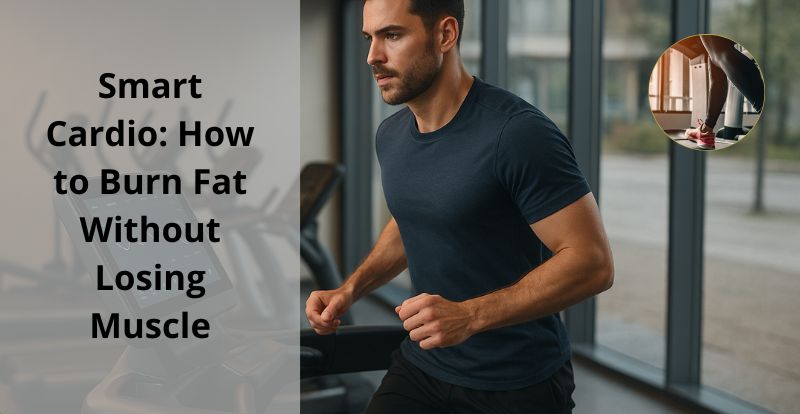
When it comes to losing body fat, most people immediately think about doing endless hours of cardio. Yet, not all cardiovascular training is created equal — and not every type of cardio helps you preserve muscle mass. That’s where the concept of smart cardio comes in: a strategic approach designed to maximize fat burning while protecting the lean muscle you’ve worked so hard to build.
Discover how smart cardio helps you burn fat without losing muscle. Learn to combine HIIT and LISS for sustainable, efficient results.
Table of Contents
What Is Smart Cardio and Why Does It Matter?
Smart cardio is not a single workout routine but a tailored strategy that aligns your cardio sessions with your goals, energy levels, and recovery capacity. It’s about working with your body’s physiology, not against it.
Traditional cardio — especially when done excessively — can increase the risk of muscle catabolism, meaning your body starts using protein (muscle tissue) for energy. This happens particularly when you combine low-calorie diets with long, intense sessions of steady-state cardio.
According to a 2022 study published in the Journal of Sports Science and Medicine, combining moderate cardio with resistance training leads to significantly greater fat loss and lean mass retention compared to cardio alone. In short: cardio can help you get leaner, but only when done wisely.
HIIT vs. LISS: Two Paths to Fat Loss
Two of the most popular cardio styles are HIIT (High-Intensity Interval Training) and LISS (Low-Intensity Steady State). Both can be effective, but they work through different physiological mechanisms.
1. HIIT: Maximum Effort, Maximum Efficiency
HIIT involves alternating short bursts of intense effort (20–40 seconds) with recovery periods (1–2 minutes). The goal is to push your body near its maximum effort repeatedly.
- Time-efficient: A full session can last only 15–20 minutes.
- EPOC effect: After HIIT, your metabolism remains elevated for hours due to a phenomenon known as Excess Post-Exercise Oxygen Consumption (EPOC).
- Muscle-friendly: Research from the European Journal of Applied Physiology (2021) found that HIIT helps maintain muscle mass better than traditional steady-state cardio, especially when combined with resistance training.
However, HIIT is demanding on the nervous system and joints, so it’s not ideal for beginners or individuals with injuries.
2. LISS: The Gentle Fat-Burning Zone
LISS, on the other hand, refers to low-intensity, steady-state activities such as brisk walking, cycling, or swimming for 40–60 minutes. You remain in an aerobic zone, usually around 60–70% of your maximum heart rate, where fat is the main energy source.
A study by the American Council on Exercise (ACE) showed that during LISS, up to 85–90% of the energy expenditure can come from stored fat. It’s a slower but sustainable method that’s easy to recover from and safe for most fitness levels.
Which Type of Cardio Is Better for Fat Loss?
There’s no one-size-fits-all answer. Both HIIT and LISS have distinct advantages:
- HIIT is perfect for people short on time who want metabolic and hormonal benefits.
- LISS is ideal for beginners, people recovering from injury, or those looking for steady progress without overtraining.
The Smart Approach: Combine Both
Smart cardio doesn’t ask you to choose — it teaches you how to blend both methods for optimal results.
For instance:
- Monday & Thursday: 40–50 minutes of brisk walking or cycling (LISS).
- Tuesday & Saturday: 20 minutes of HIIT (burpees, jump squats, sprints).
- Wednesday & Sunday: Active recovery — yoga, stretching, or light movement.
This balanced approach helps your body burn fat effectively while allowing time for muscle repair and hormonal balance.
How Smart Cardio Protects Your Muscle Mass
Losing weight shouldn’t mean losing muscle. Here’s how smart cardio helps preserve it:
1. The Right Intensity
Excessive cardio can lead to muscle catabolism — your body breaks down protein for fuel. By keeping cardio intensity moderate or alternating HIIT with recovery, you limit this effect.
2. Strategic Timing
Doing cardio after strength training or on separate days prevents interference with your lifting performance. Studies from Sports Medicine (2023) suggest that performing resistance training first helps the body prioritize strength adaptations before endurance responses.
3. Proper Nutrition and Protein Intake
A protein-rich diet is fundamental. Aim for 1.6–2.2 grams of protein per kilogram of body weight daily, as suggested by the International Society of Sports Nutrition (ISSN). This supports recovery and helps muscles stay anabolic even during calorie deficits.
4. Avoiding Extreme Calorie Deficits
Cutting too many calories slows your metabolism and increases muscle loss. Instead, maintain a moderate calorie deficit (around 300–500 kcal below maintenance). This ensures gradual fat loss while preserving lean tissue.
Fueling Smart Cardio: What to Eat and When
Before Training
- A light meal with complex carbs (like oatmeal or a banana) and some protein ensures you have energy for the session.
- Avoid heavy fats before HIIT as they slow digestion.
After Training
- Combine protein (20–30g) with fast-digesting carbs (like fruit or rice cakes) to replenish glycogen and repair muscles.
- Hydration is equally vital: losing 2% of body water can reduce performance significantly.
Training Variables: How Often and How Long
For most people, 3–5 cardio sessions per week are enough to promote fat loss without risking muscle depletion.
| Goal | Type | Duration | Frequency |
|---|---|---|---|
| Fat Loss with Muscle Maintenance | HIIT + LISS mix | 20–50 min | 4–5x/week |
| Beginner Fat Loss | Mostly LISS | 40–60 min | 3–4x/week |
| Performance & Endurance | LISS + Intervals | 45–70 min | 5–6x/week |
Consistency matters more than perfection — even short daily walks improve circulation, insulin sensitivity, and mood.
Common Mistakes That Sabotage Results
- Doing too much cardio: Overtraining raises cortisol and triggers muscle breakdown.
- Skipping strength training: Without resistance work, your body has no reason to maintain muscle.
- Neglecting rest: Muscles grow and repair during sleep, not during workouts.
- Poor nutrition: Not eating enough protein or healthy fats leads to fatigue and hormonal imbalance.
- Lack of variety: Repeating the same cardio intensity daily can plateau results.
Smart cardio is not about punishment — it’s about synergy between movement, recovery, and nutrition.
Rest, Recovery, and Sleep: The Hidden Keys
Your progress depends as much on rest as it does on exercise. Sleep deprivation increases cortisol (a stress hormone) and decreases testosterone and growth hormone, both crucial for muscle repair.
According to the National Sleep Foundation, adults who sleep 7–9 hours per night have a better balance of anabolic hormones and improved metabolic health.
Include one or two complete rest days per week and avoid training seven days in a row. Recovery isn’t laziness; it’s strategy.
Supplements That Support Smart Cardio (Optional)
- Whey Protein: Fast absorption, ideal post-workout.
- Creatine Monohydrate: Proven to enhance muscle retention even during calorie deficits.
- EAAs or BCAAs: Beneficial for fasted training or low-protein diets.
- Electrolytes: Essential if you sweat heavily or train in heat.
Remember, supplements only work when your diet, sleep, and training consistency are already on point.
Frequently Asked Questions (FAQ)
1. Can I lose fat and build muscle at the same time?
Yes, particularly if you’re new to training or returning after a break. This is called body recomposition. It requires sufficient protein intake, strength training, and moderate cardio.
2. Is morning cardio on an empty stomach more effective?
Not necessarily. Studies show similar fat loss results whether you train fasted or fed — the key factor is the calorie deficit over time. If you feel energized fasted, go for it; if not, eat lightly before training.
3. How long does it take to see results from smart cardio?
Typically, visible results appear after 4–6 weeks of consistent training and nutrition. Individual factors like metabolism, sleep, and stress play a major role.
4. Does too much HIIT cause muscle loss?
Yes, if done excessively without proper recovery or nutrition. Limit HIIT to 2–3 sessions per week, and prioritize sleep and protein intake.
5. What’s the best cardio for beginners?
Start with LISS activities like brisk walking, swimming, or cycling. Once your endurance improves, integrate short HIIT sessions once or twice weekly.
Final Thoughts: Make Cardio Work for You
Smart cardio is not about doing more — it’s about doing what your body actually needs. By combining HIIT and LISS, prioritizing strength training, maintaining a balanced diet, and respecting rest, you can burn fat efficiently while protecting every ounce of muscle.
Fat loss doesn’t require suffering; it requires strategy, patience, and consistency. Listen to your body, track your progress, and remember — the smartest cardio plan is the one you can sustain long-term.
It may interest you: Cold Therapy and Ice Baths: Science, Benefits, and Practical Application
Video: Body Recomposition: How to Burn Fat & Gain Muscle | Alan Aragon & Dr. Andrew Huberman
References (2022–2025)
- Journal of Sports Science and Medicine (2022). “Effects of Combined Resistance and Cardio Training on Fat Loss and Muscle Retention.”
- European Journal of Applied Physiology (2021). “High-Intensity Interval Training and Muscle Preservation.”
- Sports Medicine (2023). “Sequencing of Strength and Endurance Training for Optimal Results.”
- International Society of Sports Nutrition (2023). “Protein Intake and Muscle Retention During Energy Deficit.”
- National Sleep Foundation (2024). “Sleep Duration and Hormonal Health.”