Discover the science behind cold therapy and ice baths — a proven method to reduce inflammation, boost recovery, and strengthen both body and mind. Learn how to use cold exposure safely with evidence-based guidance from recent medical studies.
Table of Contents
An evidence-based guide to recovery, inflammation control, and overall health
Cold therapy, also known as cryotherapy, has gained popularity among athletes, health enthusiasts, and longevity advocates due to its reported effects on muscle recovery, inflammation control, and mental health. While the idea of immersing yourself in freezing water may seem extreme, research suggests that short, controlled exposure to cold temperatures can provide measurable physiological benefits when done correctly.
This article reviews the scientific evidence behind cold therapy, explores its main benefits and risks, and provides practical guidelines to safely integrate it into your wellness routine.
1. What is Cold Therapy and How Does It Work?
Cold therapy encompasses a range of techniques that expose the body to low temperatures for therapeutic purposes. The most common forms include:
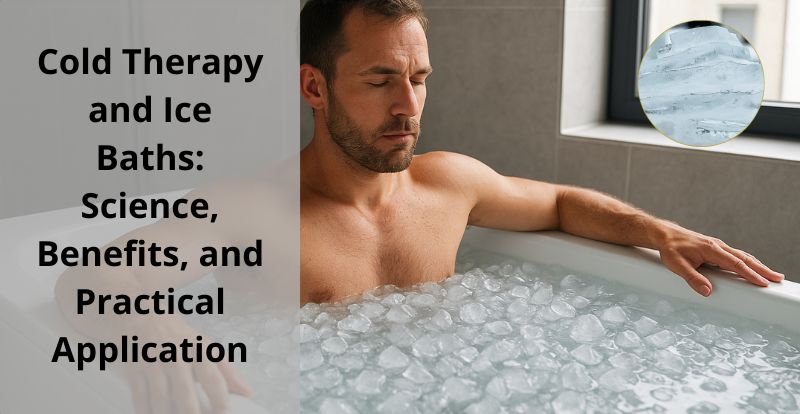
- Ice baths (immersion in cold water between 10°C and 15°C for 5–15 minutes).
- Cold showers.
- Localized cryotherapy (application of ice packs to reduce inflammation).
- Whole-body cryotherapy chambers, where the temperature can drop below –100°C for brief sessions of 2–3 minutes.
When the body encounters cold, vasoconstriction occurs — blood vessels narrow to preserve core temperature. Once the body rewarms, vasodilation happens, improving circulation and the delivery of oxygen and nutrients to tissues. This cyclical process promotes recovery and reduces inflammation.
2. Scientifically Proven Benefits of Cold Therapy
a) Reduces Inflammation and Muscle Soreness
According to a 2016 meta-analysis published in Cochrane Database of Systematic Reviews, cold-water immersion significantly reduces delayed-onset muscle soreness (DOMS) after intense exercise, especially when performed within the first two hours post-training.
The cooling effect helps decrease the production of inflammatory cytokines such as interleukin-6 and C-reactive protein, both of which are associated with muscle damage and fatigue.
b) Improves Circulation and Tissue Recovery
The alternating process of constriction and dilation enhances microcirculation, facilitating the removal of metabolic waste (like lactic acid) and improving nutrient delivery.
A 2017 study in the Journal of Strength and Conditioning Research found that athletes who used ice baths after competition reported faster muscle recovery and less swelling than those using passive recovery alone.
c) Enhances Mental Health and Stress Resilience
Cold exposure also activates the sympathetic nervous system and increases norepinephrine levels, a neurotransmitter linked to alertness and mood regulation.
A 2018 study published in PLoS ONE suggested that regular cold exposure stimulates the vagus nerve, helping regulate mood and stress by promoting parasympathetic nervous system balance.
Some users report feeling energized and mentally clear after cold immersion — likely due to endorphin release and the body’s adaptive stress response.
d) Boosts Immunity and Metabolic Function
Chronic, moderate cold exposure can stimulate brown adipose tissue (BAT) — a type of fat that burns calories to generate heat. This thermogenic process increases energy expenditure and may contribute to better metabolic health.
A 2014 study from the New England Journal of Medicine found that BAT activation plays a crucial role in glucose regulation and fat metabolism, suggesting potential benefits for insulin sensitivity and weight control.
3. Risks and Contraindications
Although cold therapy is generally safe when practiced properly, it is not suitable for everyone. People with cardiovascular disease, Raynaud’s syndrome, or uncontrolled hypertension should consult a healthcare professional before trying it.
Overexposure to cold can lead to hypothermia, frostbite, or arrhythmias in sensitive individuals. To minimize risks:
- Start gradually (short sessions, moderate temperatures).
- Never immerse alone.
- Avoid alcohol before sessions.
- Rewarm gently after immersion (avoid hot showers immediately afterward).
4. Practical Guidelines for Safe Cold Exposure
- Start slow: Begin with 30–60 seconds of cold showers at the end of your regular shower.
- Progress gradually: Once adapted, try ice baths with water at 12–15°C for 2–5 minutes, increasing time slowly.
- Focus on breathing: Use controlled diaphragmatic breathing to reduce shock and maintain calm.
- Warm up afterward: Dress warmly and allow the body to naturally reheat.
- Be consistent: Frequency (3–4 times per week) matters more than duration for long-term adaptation.
5. When to Use Cold Therapy
Cold therapy is most beneficial when used:
- After intense exercise to reduce soreness and inflammation.
- During recovery phases following injuries (under medical supervision).
- As a mental training tool to enhance stress tolerance and resilience.
However, some studies suggest that using ice baths immediately after resistance training might reduce muscle hypertrophy due to decreased inflammation signaling, which is necessary for muscle growth. Therefore, athletes seeking hypertrophy may prefer to limit cold exposure to rest days.
6. Combining Cold Therapy with Other Recovery Methods
Cold therapy works best when integrated with a holistic recovery plan including:
- Adequate sleep (7–9 hours per night).
- Balanced nutrition rich in omega-3s and antioxidants.
- Hydration and electrolyte balance.
- Active recovery (light stretching, mobility exercises).
7. Frequently Asked Questions (FAQ)
1. How often should I take ice baths?
Most studies recommend 3–4 sessions per week, lasting between 5 and 10 minutes at 10–15°C.
2. Can cold therapy help anxiety or depression?
Preliminary evidence suggests that cold exposure may increase beta-endorphin and norepinephrine, improving mood and stress regulation, but it should not replace professional mental health treatment.
3. Is it safe to do cold therapy daily?
Yes, if sessions are brief and the body is properly adapted. However, rest days are recommended to avoid overexposure.
4. Should I stretch or warm up before an ice bath?
Yes, warming up lightly improves circulation and reduces the initial cold shock.
It may interest you: Awaken Your Body and Mind: Yoga’s First Steps to Balance and Strength
Video: How Does Cryotherapy Work?
Conclusion
Cold therapy and ice baths are more than a wellness trend — they represent a scientifically supported practice that enhances recovery, reduces inflammation, and boosts mental and physical resilience.
When applied with knowledge and caution, cold exposure can be a valuable addition to modern health routines, supporting both athletic performance and long-term well-being.
As with any therapy, the key is balance: too little yields no benefits, too much can be harmful. Always consult a healthcare professional before starting, and approach the cold not as punishment, but as a powerful ally for your body and mind.