
High blood pressure (hypertension) is one of the most common cardiovascular conditions worldwide. It occurs when the force of blood against the artery walls remains too high, increasing the risk of heart attacks, strokes, and kidney problems.
While medications are often necessary, experts agree that nutrition plays a key role in managing this condition. Natural beverages that are rich in potassium, magnesium, and antioxidants, and low in sodium, can help support healthy blood flow and arterial elasticity.
Below, you’ll find three delicious and functional drinks that promote cardiovascular wellness: Banana Exprés, Purple Corn Chicha, and Tension Regulator Juice.
Discover more: 7 Essential Vitamins and Minerals That Boost Your Energy and Keep You Healthy
Recommended video: Natural Remedy for High Blood Pressure and Cholesterol
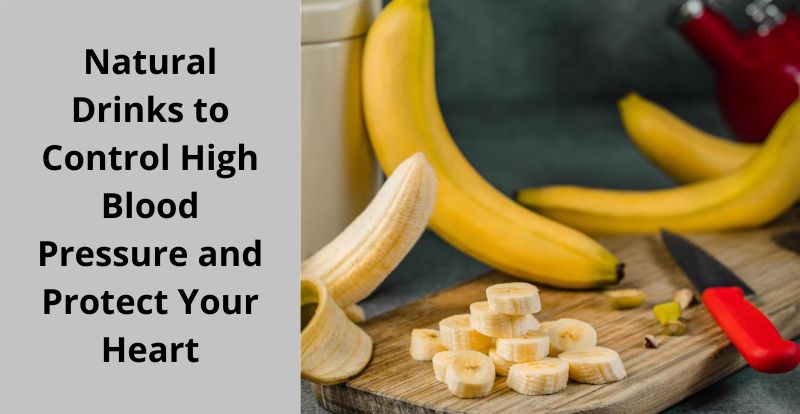
🍌 1. Banana Exprés: An Energizing Smoothie That Supports Heart Health
The Banana Exprés smoothie combines banana, rice, and mango, three ingredients known for their high levels of potassium, magnesium, and B vitamins. Adding wheat germ enhances the drink with essential nutrients that support the nervous system and heart function.
💚 Key Benefits
- Helps regulate blood pressure thanks to its rich potassium content.
- Supports muscle and heart function due to magnesium.
- Provides sustained energy and boosts metabolism through B vitamins.
- Extremely low in sodium, making it perfect for people with hypertension.
🍽️ When to Drink It
Banana Exprés can be enjoyed at breakfast or dinner. Its naturally sweet and creamy taste makes it a healthy alternative to sugary commercial shakes.
⚖️ Nutritional Profile (per 250 ml)
- Calories: 177 kcal
- Sugars: 25 g
- Fat: 1.8 g
- Protein: 3.2 g
- Fiber: 3.6 g
- Sodium: 0.05 g
This smoothie is also a good source of vitamin C, vitamin B6, and folate, all essential for energy production and vascular health.
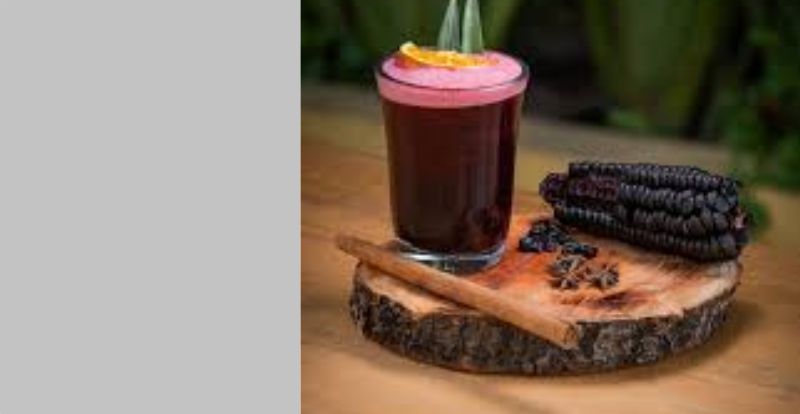
🌽 2. Purple Corn Chicha: The Antioxidant Power of an Andean Tradition
Purple Corn Chicha is a traditional Peruvian beverage made from purple corn (Zea mays L.), a native variety rich in anthocyanins — natural pigments with powerful antioxidant and vasodilating properties. These compounds help widen arteries, improve circulation, and protect blood vessels from oxidative stress.
💜 Health Properties
- Blood pressure–lowering: contributes to maintaining normal levels.
- Vasodilator: promotes better blood flow and oxygen delivery.
- Anti-diabetic: helps regulate glucose when consumed without added sugar.
- Anti-cancer potential: scientific studies suggest anthocyanins can slow the growth of certain cancer cells.
🧃 Nutritional Value (per 250 ml)
- Calories: 118 kcal
- Sugars: 15 g
- Fat: 1.5 g
- Fiber: 3.5 g
- Sodium: 0 g
- Potassium: 120 mg
- Calcium: 59 mg
- Magnesium: 12 mg
Thanks to its zero sodium and high antioxidant content, Purple Corn Chicha is an ideal drink to accompany meals or stay hydrated throughout the day.
🔬 Scientific Reference
Moreno-Loaiza O., Paz-Aliaga A. (2010). Vasodilator effect mediated by nitric oxide of the Zea mays L. (Andean purple corn) hydroalcoholic extract in aortic rings of rat. Rev Peru Med Exp Salud Publica, 27(4): 527–531. PMID: 21308191.
This research highlights how purple corn extracts can promote nitric oxide production, a compound that helps relax arteries and reduce blood pressure naturally.
🥕 3. Tension Regulator Juice: A Natural Mix for Balanced Blood Pressure
The Tension Regulator Juice combines beetroot, tomato, and celery—a blend that offers natural vasodilating, alkalizing, and detoxifying effects. Each ingredient provides specific nutrients and compounds that support cardiovascular function.
❤️ Main Benefits
- Beetroot: rich in natural nitrates that convert into nitric oxide, helping arteries relax and improving circulation.
- Tomato: contains lycopene and compounds that inhibit the angiotensin-converting enzyme (ACE), producing effects similar to certain antihypertensive medications.
- Celery: acts as a mild diuretic, aiding sodium elimination and body detoxification.
⚖️ Nutritional Profile (per 250 ml)
- Calories: 77.5 kcal
- Sugars: 10.5 g
- Fat: 0.5 g
- Protein: 2.9 g
- Fiber: 0.7 g
- Sodium: 0.11 g
- Potassium: 189 mg
- Iron: 1.7 mg
- Vitamin C: 24.9 mg
- Folate: 138 µg
🧠 Functional Properties
- Promotes healthy blood pressure regulation.
- Naturally detoxifies and purifies the blood.
- Improves oxygen flow to tissues.
- Prevents arterial stiffness and inflammation.
📚 Scientific References
Siervo M., Lara J., Ogbonmwan I., Mathers J. C. (2013). Inorganic nitrate and beetroot juice supplementation reduces blood pressure in adults: a systematic review and meta-analysis. J Nutr, 143(6): 818–826. PMID: 23596162.
Biswas D., Uddin M. M., Dizdarevic L. J., Jørgensen A., Duttaroy A. K. (2014). Inhibition of angiotensin-converting enzyme by aqueous extract of tomato. Eur J Nutr, 53(8): 1699–1706. PMID: 24573416.
Both studies confirm the blood-pressure–lowering potential of beetroot and tomato, highlighting their role as functional foods for cardiovascular wellness.
🌞 Final Tips for a Heart-Healthy Diet
- Eat more fruits and vegetables. They are rich in potassium and magnesium, which help balance body fluids and blood pressure.
- Reduce sodium intake. Avoid processed foods, canned soups, and instant meals.
- Stay hydrated. Drink plenty of water and natural juices daily.
- Exercise regularly. Just 30 minutes of walking or swimming can improve heart health.
- Consult your doctor. Natural drinks can complement, but not replace, prescribed treatments.
❤️ Conclusion
Heart care begins with what you eat and drink. The Banana Exprés smoothie, Purple Corn Chicha, and Tension Regulator Juice are simple yet powerful examples of how natural foods can help maintain healthy blood pressure and support overall cardiovascular function.
Their balance of essential minerals, antioxidants, and low sodium makes them excellent allies for people seeking to control hypertension naturally. When combined with regular exercise and a balanced diet, these beverages can play a key role in protecting your heart and improving quality of life.
References
- Moreno-Loaiza O., Paz-Aliaga A. (2010). Rev Peru Med Exp Salud Publica, 27(4): 527–531. PMID: 21308191.
- Siervo M., Lara J., Ogbonmwan I., Mathers J. C. (2013). J Nutr, 143(6): 818–826. PMID: 23596162.
- Biswas D., Uddin M. M., Dizdarevic L. J., Jørgensen A., Duttaroy A. K. (2014). Eur J Nutr, 53(8): 1699–1706. PMID: 24573416.