
Yoga is much more than a series of stretches or a wellness trend. It’s an ancient practice that unites movement, breath, and mindfulness to balance body, mind, and spirit. Originating in India thousands of years ago, yoga continues to offer modern benefits that go far beyond physical fitness — it reduces stress, enhances flexibility, improves posture, and promotes mental clarity.
For beginners, yoga can seem intimidating at first. The poses, Sanskrit names, and various styles might feel overwhelming. But yoga was created to adapt to everyone — regardless of age, body type, or experience level. All you need is patience, consistency, and a willingness to learn step by step.
It may interest you: 4 Powerful Benefits of Sunlight for Your Body and Mind: Energy and Wellness from Nature
Video: 8 MIN STRETCH to Feel Calm and Relaxed (Immersive Nature Meditation Practice)
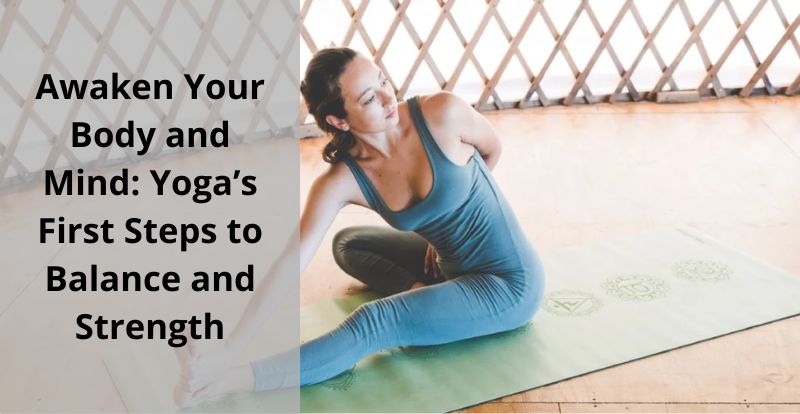
The Benefits of Yoga for Beginners
Yoga provides countless benefits that can be felt from the very first sessions. While most people begin to improve flexibility, they soon realize the practice transforms the body and mind in deeper ways.
1. Increased Flexibility and Mobility
One of the first noticeable effects of yoga is improved flexibility. Gentle stretches lengthen muscles, joints, and tendons, helping to release tension and stiffness. Over time, you’ll move more freely and notice reduced body aches and a more upright posture.
2. Stronger Muscles and Better Stability
Unlike weight training, yoga uses your own body weight to build strength naturally. Poses such as Downward-Facing Dog or Warrior II strengthen your arms, legs, core, and back while improving balance and coordination.
3. Mental Calm and Stress Relief
Breathing techniques — known as pranayama — are at the heart of yoga’s calming power. By learning to breathe with awareness, you regulate the nervous system, lower stress levels, and increase focus. This inner calm extends far beyond the mat, helping you face daily challenges with clarity and composure.
4. Improved Posture and Body Alignment
A consistent yoga routine strengthens stabilizing muscles and teaches proper alignment, which can relieve neck, shoulder, and back pain. Many beginners find themselves standing taller and sitting straighter after just a few weeks.
5. Weight Management and Balanced Energy
While yoga isn’t always a high-intensity workout, it enhances metabolism, promotes mindfulness around food, and keeps you active. Dynamic practices like Vinyasa yoga can also boost circulation and vitality, leaving you energized throughout the day.
The Importance of Breathing: Uniting Body and Mind
At the core of every yoga practice lies the breath. Beginners quickly learn that each movement flows with inhalation and exhalation — expanding as you breathe in, releasing as you breathe out. This mindful rhythm turns physical movement into a form of moving meditation.
Breathing practices (pranayama) calm the nervous system, sharpen concentration, and expand lung capacity. Simple techniques, such as abdominal breathing or alternate-nostril breathing, help keep the mind centered and the body relaxed during poses and beyond.
Foundational Yoga Poses for Beginners
The best way to start your yoga journey is by mastering the basic postures before progressing to more advanced movements. These beginner-friendly poses create a strong and safe foundation:
- Mountain Pose (Tadasana): Builds awareness and correct alignment.
- Child’s Pose (Balasana): A gentle resting pose that relieves the back and soothes the mind.
- Downward-Facing Dog (Adho Mukha Svanasana): Strengthens arms and legs while lengthening the spine.
- Warrior II (Virabhadrasana II): Improves focus, balance, and lower-body strength.
- Tree Pose (Vrikshasana): Enhances stability and mental grounding.
- Seated Forward Fold (Paschimottanasana): Stretches the spine and promotes relaxation.
Mastering these poses builds confidence and body awareness, allowing you to progress safely at your own pace.
Best Yoga Styles for Beginners
Yoga comes in many styles — each with its own rhythm and purpose. Choosing the right one helps you stay motivated and consistent.
- Hatha Yoga: A gentle introduction focusing on basic postures and alignment.
- Vinyasa Yoga: A dynamic flow that links movement with breath, improving endurance and strength.
- Yin Yoga: Involves long-held stretches that increase deep flexibility and relaxation.
- Restorative Yoga: Uses props to support the body, encouraging total relaxation and stress relief.
Exploring different styles helps you discover which practice best fits your goals and energy level.
A 4-Week Yoga Plan for Beginners
A structured four-week plan is a great way to build consistency and confidence while developing a deeper connection with your body.
Week 1: Get to Know Your Body
Focus on gentle poses and learn how to move mindfully. Pay attention to your limits and practice steady breathing.
Week 2: Build Strength and Balance
Incorporate standing poses to activate your core and improve stability.
Week 3: Increase Flexibility and Focus
Add flowing sequences and deeper stretches while maintaining slow, conscious breathing.
Week 4: Develop Your Own Practice
Combine everything you’ve learned to create a personal routine that feels natural and fulfilling.
Practical Tips for Beginners
- Start slow: Don’t rush to master difficult poses — progress comes with patience.
- Be consistent: Practicing 10–15 minutes daily is more beneficial than one long session per week.
- Use props: Blocks, straps, and cushions help you align properly and prevent injuries.
- Listen to your body: If a pose feels painful, modify it or take a break.
- Create your space: Choose a quiet, comfortable corner to make your practice more enjoyable.
Taking Yoga Beyond the Mat: Everyday Benefits
The true power of yoga lies in how it transforms your everyday life — not just the time spent on the mat. Regular practice helps you move through the world with more awareness and balance.
- Less stress: You respond calmly to challenges instead of reacting impulsively.
- More energy: Improved circulation and oxygen flow keep you feeling revitalized.
- Better sleep: Gentle yoga before bed relaxes both body and mind, leading to deeper rest.
- Healthier digestion: Certain poses stimulate the digestive organs and reduce bloating.
- Positive mindset: Mindfulness fosters gratitude and emotional stability.
Conclusion: A Journey of Self-Discovery
Starting yoga isn’t about achieving perfection — it’s about beginning a lifelong journey toward balance and self-awareness. Over time, the physical benefits like strength, flexibility, and balance evolve into emotional resilience, inner peace, and mental clarity.
Whether your goal is to enhance physical health, manage stress, or reconnect with yourself, yoga offers a safe and powerful path to transformation. All you need is a mat, mindful breathing, and an open heart.
Take a deep breath — your path to strength, serenity, and self-discovery begins today.
Reference
B. K. S. Iyengar
Renowned Yoga Teacher and Author of “Light on Yoga”
“Yoga is for everyone. You need not be an expert or at the peak of physical fitness to practice the asanas described… Yoga helps to integrate the mental and the physical plane, bringing about a sense of inner and outer balance.”
About B. K. S. Iyengar:
B. K. S. Iyengar was one of the most influential yoga teachers of the 20th century. His book Light on Yoga has become a classic reference, presenting over 200 postures along with instructions and philosophy. His teachings emphasize that yoga is accessible to all, not dependent on extreme flexibility or fitness, and that the true practice fosters harmony between body and mind.