
Nutrition is much more than a daily habit or a biological need. It is a powerful tool that directly influences our health—both now and in the long term. Choosing what we eat every day is, ultimately, choosing how we want to live: with energy, vitality, and strength, or with weakness, illness, and gradual decline.
In this article, we’ll explore how certain foods can act as true healing agents, helping to prevent disease, strengthen the immune system, enhance organ function, and even support mental health. We’ll also break down how each group of foods provides specific benefits to different parts of the body.
It may interest you: Mindful Eating: Rediscovering the Joy of Eating with Intention and Balance
Video: The Healthiest Foods You Need in Your Diet
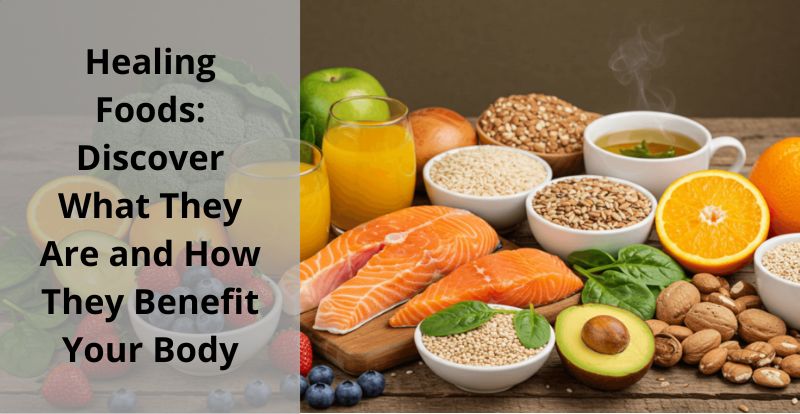
Nutrition and Health: A Deep Connection
Throughout history, both traditional medicine and modern science have recognized the vital role that food plays in human well-being. The ancient Greek physician Hippocrates, considered the father of medicine, famously said: «Let food be thy medicine and medicine be thy food.» Today, this concept is more relevant than ever.
Our bodies are naturally equipped to fight off pathogens, regenerate tissues, process nutrients, and maintain internal balance. However, when we overload our system with ultra-processed products, trans fats, excess sugars, or toxins, these abilities are weakened.
On the other hand, a diet rich in natural, varied, and balanced foods not only provides energy but also delivers essential bioactive compounds that support vital functions and protect us from numerous health conditions.
Nature: A Living Pharmacy
If we take a closer look at the natural world around us, we’ll notice that every living being is equipped with astonishing complexity. Plants, fruits, roots, seeds, and leaves don’t just exist to feed us—they often contain active compounds that can restore, improve, or protect our health.
Foods are filled with antioxidants, vitamins, minerals, essential fatty acids, enzymes, fiber, and phytochemicals that participate in crucial processes like cell regeneration, tissue oxygenation, immune system support, and nervous system regulation.
Incorporating these foods consciously into our daily diet can mean the difference between living with chronic health issues and enjoying long-term wellness.
What Can Each Food Do for Your Body?
Let’s take a closer look at how different types of foods benefit the body, system by system. Each group plays specific roles, so the best approach is to include as many as possible in your daily diet.
1. Meat: Muscle Repair and Nervous System Support
Lean meats are an excellent source of high-quality protein, essential for building and repairing muscle tissue, skin, and organs. They also provide vitamin B12, which supports the nervous system, as well as iron and potassium, which aid in oxygen delivery and muscle function.
Key benefits:
- Muscle and tissue regeneration
- Anemia prevention
- Nervous system balance
2. Fish and Seafood: Cardiovascular and Circulatory Health
Fatty fish like salmon, tuna, and sardines are rich in omega-3 fatty acids, which are well-known for their heart-protective properties. Seafood also contains selenium, copper, iodine, and vitamin D, all of which support healthy circulation, thyroid function, and immune strength.
Key benefits:
- Lowering bad cholesterol (LDL)
- Cardiovascular protection
- Strengthening the immune system
3. Nuts and Seeds: Skin, Heart, and Brain Health
Almonds, walnuts, cashews, and hazelnuts may be small, but they’re nutritional powerhouses. Packed with healthy fats, antioxidants, and vitamin E, they help keep your skin radiant, your heart rhythm steady, and your brain sharp.
Key benefits:
- Cellular protection against oxidative stress
- Improved cognitive performance
- Skin and hair vitality
4. Legumes: Blood Health and Energy
Lentils, beans, chickpeas, and peas are plant-based protein sources rich in iron, folic acid, and vitamin B1. These nutrients are essential for red blood cell production and anemia prevention. Their high fiber content also supports digestive health.
Key benefits:
- Preventing anemia
- Stabilizing blood sugar levels
- Providing sustained energy
5. Whole Grains: Fuel for the Nervous System
Oats, brown rice, quinoa, and barley are packed with B vitamins, magnesium, and selenium—nutrients that support energy production and the proper function of the nervous system.
Key benefits:
- Mental clarity and focus
- Mood regulation
- Metabolic support
6. Fresh Fruits: Antioxidants and Digestive Regulation
Fruits offer a wealth of vitamin C, vitamin A, potassium, fiber, and water. They help strengthen the immune system, improve digestion, support oral health, and regulate blood pressure.
Key benefits:
- Immune defense against colds and flu
- Healthy teeth and gums
- Improved brain and digestive function
7. Vegetables and Leafy Greens: Vision, Circulation, and Detoxification
Spinach, chard, carrots, beets, and broccoli provide essential nutrients like vitamin K, beta-carotene (provitamin A), vitamin C, and magnesium, which contribute to healthy vision, strong blood vessels, and internal detox processes.
Key benefits:
- Enhanced vision
- Circulatory health
- Reduced inflammation
8. Dairy: Bone Strength and Skin Health
Milk, yogurt, and cheese are excellent sources of calcium, vitamin A, vitamin B12, and phosphorus. These nutrients are vital for strong bones, healthy skin, and neurological stability.
Key benefits:
- Bone development and maintenance
- Firm and hydrated skin
- Nervous system support
9. Eggs: Cellular Development and Brain Function
Eggs are among the most complete foods in nature. They contain vitamins A, D, and B12, choline, high-quality proteins, and phospholipids, all crucial for brain development, cell regeneration, and bone health.
Key benefits:
- Improved cognitive function
- Immune system reinforcement
- Full-body tissue repair
Preventive Eating: Take Care Today, Live Better Tomorrow
Choosing a diet filled with natural, functional foods should not be reserved for when illness strikes. Instead, it should be a consistent, preventive habit.
While many people only start focusing on nutrition during health crises, the ideal is to adopt healthy eating practices long before problems arise. Our current eating habits shape our future quality of life.
Health Starts on Your Plate
Every food choice we make can either heal us or harm us. Being mindful of what we eat—choosing whole foods, avoiding excess sugar and processed items, and incorporating a wide variety of healing foods—is one of the smartest decisions we can make for our well-being.
Incorporating these healing foods into your diet doesn’t just prevent disease—it boosts mood, increases energy, strengthens the immune system, and promotes long-lasting vitality. Conscious eating is not a trend; it’s a lifelong path. And every small step in the right direction can transform your health from the inside out.