
Since the dawn of humanity, music has played a significant role in our daily lives. Beyond entertainment, early civilizations used sound in rituals, healing ceremonies, hunting traditions, and rites of passage. Music helped strengthen social bonds and fostered a connection with nature and the spiritual world.
But music is more than cultural expression—it holds the power to support mental and emotional well-being. In recent decades, a growing body of scientific research has confirmed what many ancient cultures already intuited: music can heal.
It may interest you: Stress vs. Anxiety: 10 Key Differences You Need to Know to Take Control of Your Mental Health
Video: The Science Behind Sound Therapy
A Timeless Relationship Between Music and Health
The therapeutic power of music has been recognized for centuries. Ancient philosophers such as Pythagoras and Plato observed the influence of music on emotions and character. However, it wasn’t until the 20th century that music began to be applied in structured clinical settings to treat emotional trauma—especially in war veterans recovering from post-traumatic stress.
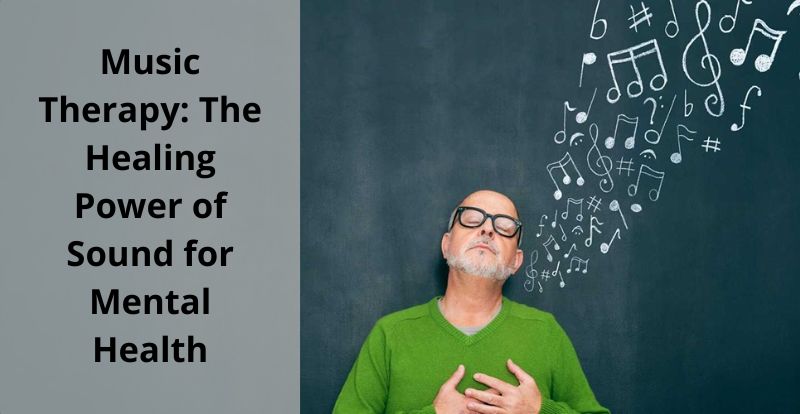
This is where the term music therapy was born: the intentional use of music and its components (melody, rhythm, harmony, tempo) to achieve therapeutic goals such as stress relief, emotional regulation, pain management, and cognitive stimulation.
What Is Music Therapy?
Music therapy is a clinical and evidence-based practice where trained professionals use music to help individuals improve their mental, emotional, physical, and social health. Unlike casual listening, music therapy involves a purposeful, goal-oriented approach within a therapeutic relationship.
There are two main types:
- Active music therapy: The patient engages directly with music by singing, playing instruments, or improvising.
- Receptive music therapy: The patient listens to carefully selected music while guided by a therapist to evoke specific responses.
Both approaches are beneficial, and the choice depends on individual needs and treatment goals.
Music and the Brain: How Sound Regulates Emotion
Recent studies have explored how music affects the brain at a neurological level. A groundbreaking project from the Functional Neurosurgery Center at Jiao Tong University in Shanghai found that classical music can significantly improve mood in individuals with depression.
Researchers discovered that music helps synchronize brain activity between the auditory cortex (which processes sound) and the reward circuit (which processes pleasure and emotion). This synchronization also engages the extended amygdala, a brain structure responsible for emotional responses. The alignment of these three areas creates a neurochemical balance that helps elevate mood and relieve depressive symptoms.
According to María Concepción Morán Martínez, a psychologist and concert pianist at the National Autonomous University of Mexico (UNAM), the process involves auditory-motor interactions, where the premotor cortex of the frontal lobe is activated. As music stimulates both movement and emotional processing, it also produces biochemical, physiological, and cognitive changes that directly impact how we feel.
A Growing Therapeutic Tool
The field of music therapy is rapidly evolving as neuroscience continues to uncover its full potential. One promising innovation is the development of a mobile app designed to deliver personalized music therapy with real-time emotional feedback and immersive virtual reality experiences.
This project, led by researcher Bomin Sun, aims to collaborate with clinicians, engineers, and therapists to create a comprehensive emotional wellness tool. The app will suggest music based on the user’s emotional state, track mood changes, and use multisensory stimulation to support mental health in everyday life.
The Benefits of Music Therapy in Different Areas of Health
1. Emotional Benefits
- Reduced stress and anxiety: Music lowers cortisol levels, easing physical and psychological tension.
- Mood enhancement: Pleasant melodies help boost mood, lessen depressive symptoms, and promote feelings of joy.
- Emotional expression: Music provides a safe outlet for processing emotions that are difficult to express with words.
2. Cognitive Benefits
- Memory improvement: For individuals with Alzheimer’s or dementia, music can unlock memories and improve cognitive function.
- Cognitive stimulation: Enhances attention, language, and perception—particularly beneficial for people with neurological conditions.
- Auditory processing: Supports individuals with auditory perception challenges or speech and language disorders.
3. Physical Benefits
- Motor stimulation: Music can help improve movement and coordination in patients undergoing physical rehabilitation or living with disabilities.
- Pain relief: Music has been shown to act as a natural pain reliever, reducing discomfort and increasing pain tolerance.
- Cardiovascular regulation: Soothing rhythms can lower blood pressure, slow heart rate, and enhance breathing efficiency.
4. Social Benefits
- Encouraging social interaction: Group music therapy promotes communication, collaboration, and a sense of belonging—especially valuable for individuals with autism or social difficulties.
- Improved communication skills: Music facilitates both verbal and nonverbal expression, making it useful in speech therapy and social skills training.
5. General Well-being and Resilience
- Emotional support in critical situations: In palliative care settings, music therapy provides comfort, alleviates fear, and improves quality of life for patients facing terminal illnesses.
- Resilience building: Music helps individuals cope with trauma and adversity by promoting psychological strength and adaptability.
Can Anyone Use Music Therapy?
While many people enjoy music informally to relax or feel better, clinical music therapy requires guidance from a certified music therapist. This isn’t just about playing calming songs—it’s about using evidence-based interventions tailored to the patient’s needs and diagnosis.
Music therapists are trained professionals with backgrounds in psychology, neuroscience, music education, and healthcare. They design and implement individualized treatment plans and work as part of multidisciplinary teams in hospitals, schools, rehabilitation centers, and mental health clinics.
A Call to Include Music in Health Policies Given the growing evidence supporting its benefits, experts like Morán Martínez encourage policymakers to integrate music therapy into public health programs. Promoting musical engagement in schools, clinics, and community centers could significantly improve emotional well-being, cognitive development, and social inclusion across all ages