
In today’s fast-paced society, where constant digital connections shape how we communicate, work, and socialize, it has never been more important to address the impact of social anxiety and stress. Social media, smartphones, and online platforms make it easier than ever to stay connected, but they also create new challenges for mental well-being.
For individuals who struggle with social anxiety, the digital environment can amplify feelings of inadequacy, fear of judgment, and even isolation. Similarly, the relentless pace of modern life often leaves many dealing with chronic stress. The good news is that there are practical, evidence-based strategies to regain balance, reduce anxiety, and improve quality of life—even in our hyperconnected era.
It may interest you: Sleep Well, Live Better: How Rest Boosts Your Mental and Physical Health
Video: Thriving in the Digital Age A Guide for Young Adults (Depression, Anxiety, Body dysmorphic disorder)
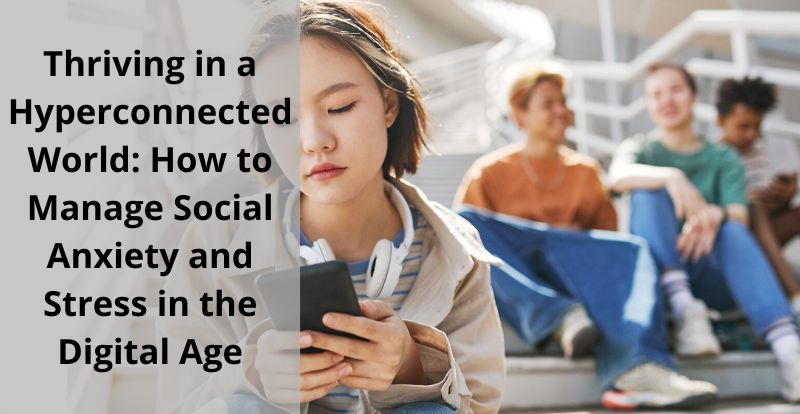
Understanding Social Anxiety in the Modern Age
Social anxiety disorder is more than just shyness. It is characterized by intense fear of being judged, embarrassed, or rejected in social settings. People with this condition may avoid interactions, struggle with self-confidence, and feel overwhelmed in everyday situations.
The rise of social media has created a new layer of complexity. Platforms designed to connect people can sometimes trigger comparison, pressure to perform, and fear of missing out (FOMO). For individuals with social anxiety, these factors can worsen existing symptoms and hinder emotional well-being.
The Digital Dilemma: Social Media’s Role in Anxiety
While social media offers connection, inspiration, and entertainment, it also presents risks that directly affect mental health.
- Comparison and Low Self-Esteem: Seeing idealized images of others’ lives can foster feelings of inadequacy.
- Fear of Missing Out (FOMO): Constant updates on events and achievements can increase feelings of exclusion.
- Negative Interactions: The risk of online criticism, rejection, or being ignored can fuel anxiety.
- Lack of Genuine Connection: Virtual interactions sometimes lack the depth and reassurance of in-person relationships.
Stress in the Fast Lane: Why Modern Life Feels Overwhelming
Beyond social anxiety, many people experience high levels of stress due to work demands, personal responsibilities, and the “always-on” nature of digital communication. Chronic stress can harm both physical and mental health, leading to sleep problems, irritability, weakened immunity, and burnout.
Learning how to pause, recharge, and manage stress effectively is crucial for long-term well-being.
Practical Strategies for Coping with Social Anxiety and Stress
1. Practice Mindful Digital Use
- Set Boundaries: Limit your time online to prevent social media from dominating your day. Consider “tech-free zones” or “digital detox” hours before bed.
- Curate Your Feed: Follow uplifting accounts that inspire positivity, and unfollow or mute those that trigger negative comparisons.
2. Prioritize Real-Life Connections
- Invest in In-Person Relationships: Meeting friends, joining a club, or attending community events provides emotional support that online interactions often lack.
- Safe Social Practice: Structured group settings, such as classes or workshops, can help build social skills and confidence gradually.
3. Build Healthy Lifestyle Habits
- Exercise Regularly: Physical activity releases endorphins, which reduce anxiety and improve mood. Activities like walking, yoga, or cycling are excellent stress relievers.
- Nutrition and Sleep: A balanced diet and consistent sleep schedule support both mental and physical resilience.
- Relaxation Techniques: Deep breathing, meditation, or progressive muscle relaxation can calm the nervous system and lower anxiety levels.
4. Cognitive Behavioral Techniques (CBT)
CBT helps individuals recognize and challenge irrational thought patterns that intensify anxiety. By reframing negative thoughts into realistic perspectives, it is possible to break the cycle of stress and fear.
Try this: Next time you feel anxious, ask yourself: “Is this thought fact-based, or am I catastrophizing?” Replace unrealistic fears with balanced alternatives.
5. Break Tasks into Manageable Steps
Overwhelm often stems from trying to do too much at once. Techniques like the Pomodoro Method (25 minutes of work followed by a 5-minute break) can help boost productivity while reducing mental fatigue.
6. Seek Professional Support
- Therapy: Cognitive-behavioral therapy and exposure therapy are effective in treating social anxiety.
- Medication: In some cases, a psychiatrist may prescribe medication to manage symptoms.
- Support Groups: Sharing experiences with others who face similar challenges can reduce feelings of isolation.
Ten Quick Tips to Reduce Stress and Anxiety
- Start with mindfulness: Spend 5–10 minutes focusing on your breath daily.
- Exercise moderately: 30 minutes of walking or cycling a day is enough to improve mood.
- Practice deep breathing: Try the “box breathing” technique (inhale 4 seconds, hold 4, exhale 4, hold 4).
- Challenge negative thoughts: Ask yourself if your fears are realistic or exaggerated.
- Take breaks: Short pauses throughout the day prevent burnout.
- Stay organized: Use lists and schedules to reduce overwhelm.
- Limit caffeine and alcohol: Both can increase anxiety and disrupt sleep.
- Spend time outdoors: Nature exposure lowers stress and boosts energy.
- Develop a bedtime routine: Avoid screens before sleep and create a calm environment.
- Celebrate small wins: Recognizing progress helps build confidence and resilience.
Frequently Asked Questions (FAQs)
How does social media affect social anxiety?
It can trigger comparison, FOMO, and fear of rejection, all of which may worsen anxiety.
Can limiting social media use help?
Yes. Setting boundaries reduces exposure to triggers and promotes healthier mental space.
Is therapy effective for social anxiety?
Absolutely. CBT is one of the most effective treatments available.
What daily habits reduce stress?
Regular exercise, mindfulness, relaxation practices, and maintaining a structured schedule.
Can medication help?
In some cases, yes. Consult with a psychiatrist for tailored guidance.
Conclusion: Finding Balance in a Digital World
Living in a hyperconnected society presents both opportunities and challenges. Social media and fast-paced lifestyles can intensify stress and anxiety, but with mindful practices, healthy routines, and professional support, it is possible to thrive.
Managing social anxiety and stress is not about eliminating them completely—it’s about learning to navigate them with confidence. By balancing digital life with real-world connections, building resilience through healthy habits, and seeking help when needed, you can create a more fulfilling and grounded life.
Remember: small steps can lead to big changes. Start today with one positive habit, and watch how it transforms not only your mental health but your entire well-being.