
In our modern, fast-paced world, energy has become one of the most valuable resources. Whether it’s to keep up with demanding workdays, intense workouts, or simply daily responsibilities, maintaining optimal vitality is essential. Behind this constant energy flow are the micronutrients—vitamins and minerals that, although required in small amounts, have a massive impact on your body’s performance, mood, and overall health.
Micronutrients regulate hundreds of biochemical processes, from converting food into energy to supporting the nervous system, maintaining strong bones, and promoting healthy skin and vision. Unfortunately, the body cannot produce most of these nutrients on its own, meaning that a balanced diet is key to sustaining your physical and mental energy levels.
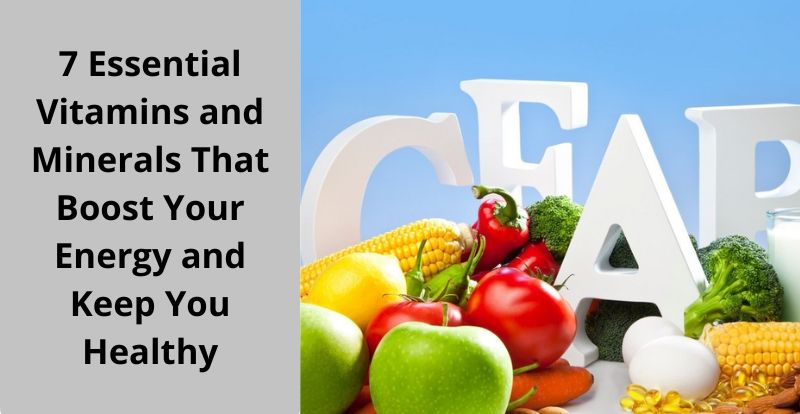
Let’s explore the seven essential vitamins and minerals that help boost your energy naturally, how they work in your body, and which foods can help you include them in your daily routine.
It may interest you: 7 Nutritional Habits to Boost Your Energy and Transform Your Daily Wellness
Video: The 7 MOST Important Nutrients for Your Immune System
1. The B Vitamins: Your Natural Energy Engine
The B-complex vitamins are perhaps the most well-known for their role in energy production. They help your body transform carbohydrates, proteins, and fats into usable fuel for your cells. There are eight B vitamins, but several stand out when it comes to boosting energy and metabolism.
Vitamin B1 (Thiamine): The Spark Plug
Thiamine is crucial in carbohydrate metabolism and nerve function. It helps convert glucose into energy, keeping your brain and muscles active.
Top sources: whole grains, pork, beans, lentils, and sunflower seeds.
Vitamin B3 (Niacin): The Nervous System Protector
Niacin supports enzyme function and helps convert food into energy. It also contributes to a healthy nervous system and balanced cholesterol levels.
Found in: poultry, peanuts, brown rice, milk, fish, and whole grains.
Vitamin B6 (Pyridoxine): The Metabolic Multitasker
Vitamin B6 participates in more than 100 metabolic reactions, particularly those related to carbohydrates and proteins. It’s vital for mood regulation and immune defense.
Get it from: potatoes, chicken, fish, rice, and sunflower seeds.
Vitamin B12 (Cobalamin): The Vitality Booster
Essential for red blood cell production and proper nervous system function, vitamin B12 is indispensable for energy generation. A lack of B12 often leads to fatigue, weakness, and cognitive decline.
Rich sources: salmon, beef, trout, shellfish, and fortified cereals.
Without sufficient B vitamins, your body’s ability to metabolize nutrients and generate energy drastically decreases, leading to tiredness and poor concentration. Including a variety of these foods daily ensures steady energy and sharper focus.
2. Magnesium: The Mineral of Balance and Strength
Magnesium is one of the most versatile minerals in the human body, participating in over 300 biochemical reactions. It plays a fundamental role in muscle contraction, brain function, bone formation, and most importantly, energy production.
Low magnesium levels can cause muscle cramps, fatigue, irritability, and difficulty concentrating. Since stress and processed foods can deplete magnesium, maintaining adequate intake is crucial.
Best sources: almonds, spinach, avocado, cashews, pumpkin seeds, and dark chocolate.
Magnesium not only enhances physical endurance but also promotes better sleep quality—an often-overlooked pillar of lasting energy.
3. Iron: The Oxygen Carrier
Iron is another indispensable mineral for energy and vitality. It helps form hemoglobin, the protein in red blood cells responsible for carrying oxygen throughout the body. Without enough oxygen, your cells can’t produce energy efficiently, leading to fatigue and poor performance.
Iron deficiency, or anemia, is one of the most common nutritional problems worldwide. Symptoms include tiredness, pale skin, headaches, and reduced immune function.
Iron-rich foods: lean meats, lentils, spinach, beans, shellfish, and fortified cereals.
To improve iron absorption, pair iron-rich foods with vitamin C sources such as oranges, strawberries, or bell peppers. This simple combination enhances your body’s ability to use iron effectively.
4. Zinc: The Metabolic Guardian
Zinc may be required in smaller amounts, but its functions are vast. This micronutrient supports over 300 metabolic reactions, influences hormonal balance, and plays a vital role in immune defense and cellular repair.
Zinc deficiency can result in fatigue, slower wound healing, and impaired concentration. By keeping enzymes and hormones working efficiently, zinc helps your body sustain consistent energy levels.
Top food sources: oysters, crab, beef, almonds, chickpeas, and pumpkin seeds.
In addition to its metabolic benefits, zinc promotes mental clarity and supports reproductive and immune health—making it a truly multi-purpose mineral.
5. Coenzyme Q10: The Cellular Energizer
Coenzyme Q10, or CoQ10, is a vitamin-like compound naturally produced by the body. It resides in every cell and plays a central role in generating energy within the mitochondria—the “powerhouses” of cells.
As we age, CoQ10 production decreases, which can contribute to fatigue and slower recovery after physical exertion. Supplementing with CoQ10 or increasing its intake through diet can help maintain optimal energy levels.
Natural sources: fatty fish (salmon, mackerel, sardines), organ meats, spinach, broccoli, peanuts, and walnuts.
Besides its energy-related benefits, CoQ10 also acts as a powerful antioxidant, protecting your cells from oxidative stress and premature aging.
6. Vitamin A: The Vision and Growth Vitamin
Vitamin A is well-known for maintaining healthy vision, but its influence goes far beyond eye health. It also supports cell growth, immunity, and reproductive health. This vitamin is essential for tissue repair and maintaining the integrity of the skin and mucous membranes—your body’s first line of defense.
Your body converts carotenoids, found in colorful fruits and vegetables such as carrots and sweet potatoes, into vitamin A.
Other sources include: liver, fish oils, dairy products, and leafy greens.
A lack of vitamin A can cause night blindness, weakened immunity, and dry skin. By incorporating these foods into your diet, you promote not only vision health but also sustained vitality.
7. Vitamin D: The Sunshine Vitamin
Vitamin D is unique because your body can synthesize it when your skin is exposed to sunlight. However, many people today spend most of their time indoors, leading to widespread deficiencies.
This vitamin works closely with calcium and phosphorus to maintain strong bones and muscle function. It also supports the immune system and has been linked to improved mood and mental clarity.
Natural sources: sunlight exposure, fortified milk, eggs, salmon, tuna, and mushrooms.
Maintaining adequate vitamin D levels not only strengthens your body but also enhances your energy and motivation—especially during darker or colder months when fatigue is more common.
The Journey of Nutrients: From Food to Energy
Understanding how your body transforms nutrients into energy can help you make more conscious dietary choices:
- Ingestion: Food enters the mouth and is broken down by chewing and saliva.
- Digestion: The stomach and intestines further break down macronutrients into smaller molecules—carbohydrates into glucose, proteins into amino acids, and fats into fatty acids.
- Absorption and Metabolism: Nutrients enter the bloodstream and are delivered to cells. Inside the mitochondria, vitamins and minerals work as catalysts, turning these molecules into ATP (adenosine triphosphate)—your body’s true energy currency.
Without the right micronutrients, this energy conversion process becomes inefficient, leading to fatigue and poor physical or mental performance.
Maintaining Balance: Lifestyle and Nutrition
While supplements such as multivitamins can help in some cases, a balanced diet remains the best source of vitamins and minerals. Aim to eat at least five servings of fruits and vegetables daily, include lean proteins, whole grains, nuts, and seeds, and stay hydrated.
Also, remember that lifestyle habits like smoking, excessive alcohol consumption, stress, and lack of sleep can deplete essential vitamins and minerals, reducing your energy levels over time.
Conclusion: Nourish Your Body, Fuel Your Life
Vitamins and minerals may be small in size, but their impact on your well-being is enormous. By consciously incorporating nutrient-rich foods into your diet, you can enhance your body’s ability to produce energy, strengthen your immune system, and protect your long-term health.
Energy doesn’t come from caffeine or quick fixes—it comes from balance, nutrition, and mindful living. Make these seven micronutrients part of your daily routine, and you’ll feel the difference from the inside out.
Reference
Professor Ailsa A. Welch, D.Phil., Registered Public Health Nutritionist
“Her research focuses on the impact of human nutrition on health, disease and ageing… particularly on the musculoskeletal system and public health.” — Ailsa A. Welch